
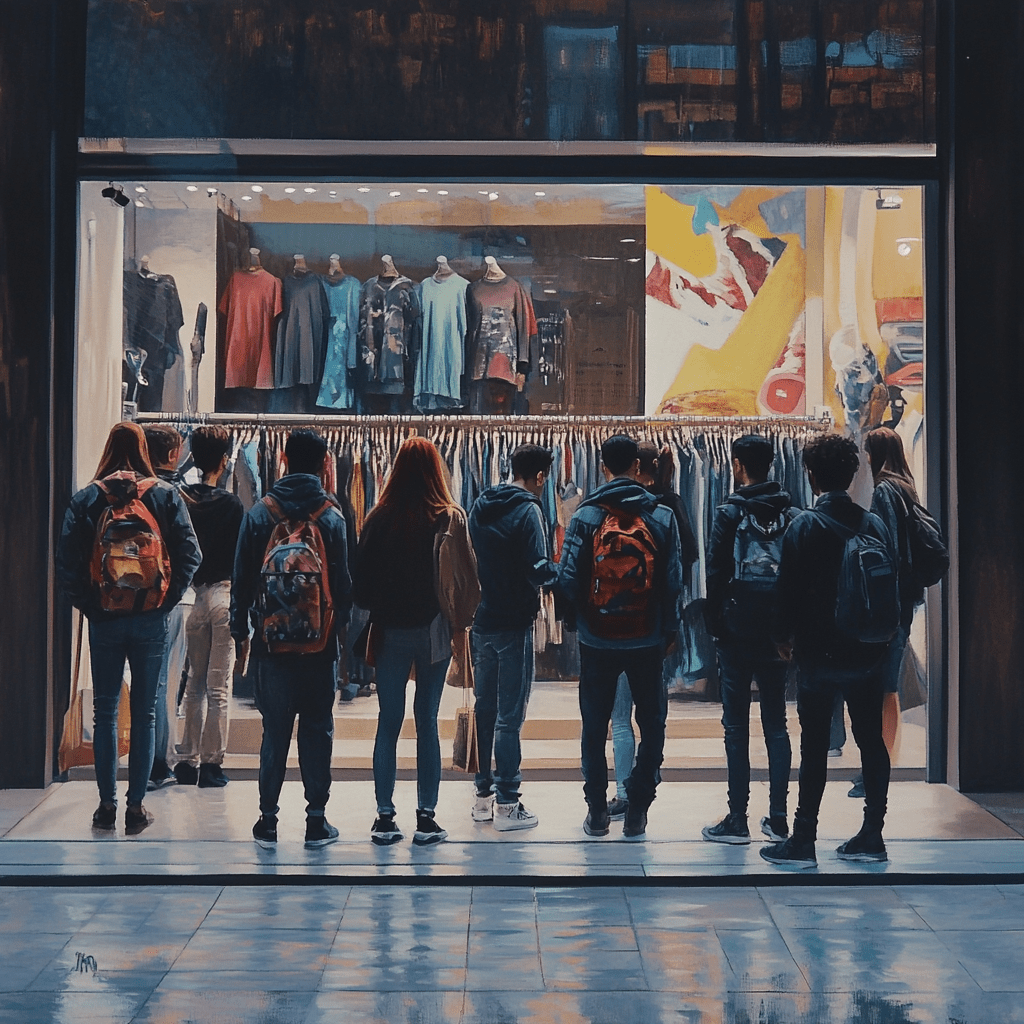
Explore how loss aversion and scarcity influence consumer behaviour and discover effective marketing strategies that leverage these psychological principles.
Understanding Loss Aversion: Why Losses Loom Larger Than Gains
When we receive a reward, we should feel at least the same level of satisfaction—or even more—than when we lose something. However, reality tells a different story. But does this effect apply to everyone equally?
According to psychologist and Nobel prize Daniel Kahneman, the intensity of loss aversion varies depending on our personal reference point. Someone who has grown up in difficult conditions may experience less fear of loss because they are more accustomed to uncertainty. However, it is also possible that a person in a strong financial position may also feel less affected by losses, as their stability allows them to see some reductions as trivial. This means the intensity of this effect depends on our circumstances and the reference point from which we make decisions.
Let’s look at an example: Which option would you choose, immediate profit or free service for three months?
Imagine you have two offers for a service like Spotify Premium:
- A 10% discount if you subscribe immediately.
- Three months free, but without a discount afterward.
From a rational perspective, the first option seems more logical, as it provides immediate savings. However, the second option takes advantage of loss aversion: after enjoying a premium service for three months, losing those benefits will be felt more strongly than the satisfaction of receiving a small discount. That’s why many companies offer free trials.
The Concept of Scarcity: When Rarity Becomes Valuable
Another key principle in consumer behavior is scarcity, studied by psychologist Robert Cialdini. Scarcity makes us perceive products as more valuable when we believe they are limited, exclusive, or urgent. When we see that something is “about to sell out,” we feel a stronger need to acquire it, even if we initially didn’t consider it essential.
Combining Loss Aversion and Scarcity in Marketing Strategies
Although we’ve said that a wealthy person may fear losses less, their behavior can change depending on how information is presented.
Consider these two sales messages:
- “If you act now, you can gain €15,000.”
- “If you don’t act now, you could lose €15,000.”
Both statements offer the same monetary opportunity, but the second one emphasizes potential loss, generating a stronger emotional response and increasing the likelihood of action.
Brands use these two psychological effects in strategies such as:
Limited-time offers – “Only for 24 hours!”
Low stock warnings – “Only 3 left in stock”
Countdown timers – Displayed on checkout pages to push consumers to complete their purchases
These methods work because they create urgency and tap into the fear of missing out on a valuable opportunity. However, they must be used ethically. When consumers perceive these strategies as deceptive or manipulative, trust in the brand can be lost.
Ultimately, the impact of scarcity and loss aversion depends on context and what each person values as important. If the consumer truly perceives the product as valuable, both the brand and the buyer benefit.
Understanding and ethically applying principles of loss aversion and scarcity can significantly impact consumer behavior and boost marketing effectiveness. How have you seen these principles at play in your own experiences?
Share your thoughts in the comments below.

 Mind of Consumers